BOTM 008 | Building Under our Sun
Chapter cover drawing by Rory Westmaas
Title: Building Under our Sun: An essay on the development of a Guyanese Architecture
Published: Georgetown, June 1970 by the Government of Guyana
Author: Rory Westmaas
Editor: L. Searwar
Description: Building Under our Sun is an essay on Guyanese architecture that can be found inside CO-OP Republic Guyana 1970 (the first book of the month). This essay focuses on Guyanese architecture starting with its history, describing its contemporary nature, and ultimately what it may become in the future. “Now that we are becoming conscious of ourselves as a nation, reaching out in new directions, thrusting into the interior, environments different from that of the familiar coast will present new problems. The better bearing strengths of those soils will permit us to build tall buildings and cities as large as those in any other country of the world-should we need them and want it so.“ (Building Under our Sun, 129) Written by Rory Westmaas a prolific Guyanese architect, WWI vet ran, and second black member of the Royal Institute of British Architects there is no better source to begin to understand Guyanese architecture.
Drawings
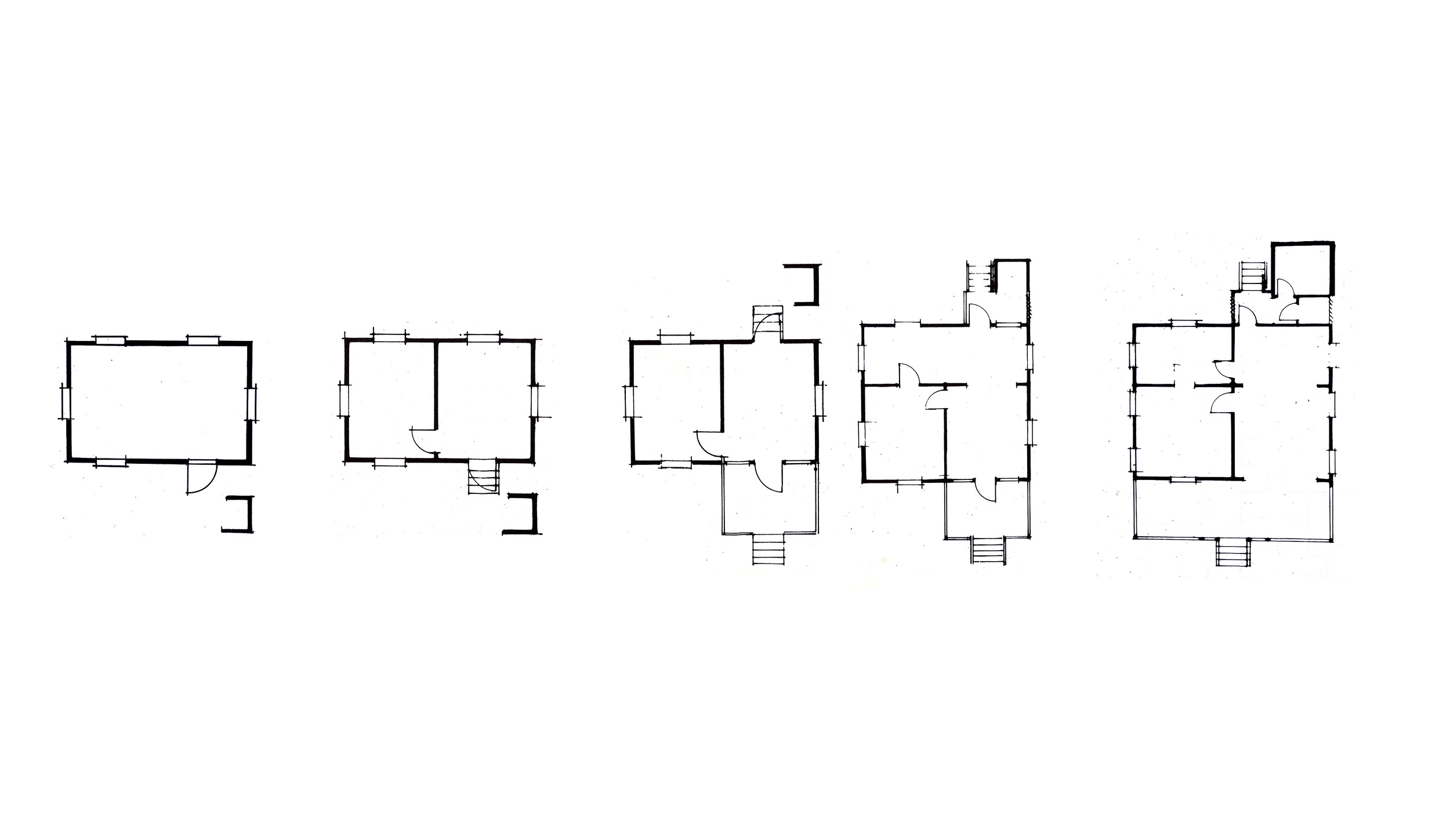
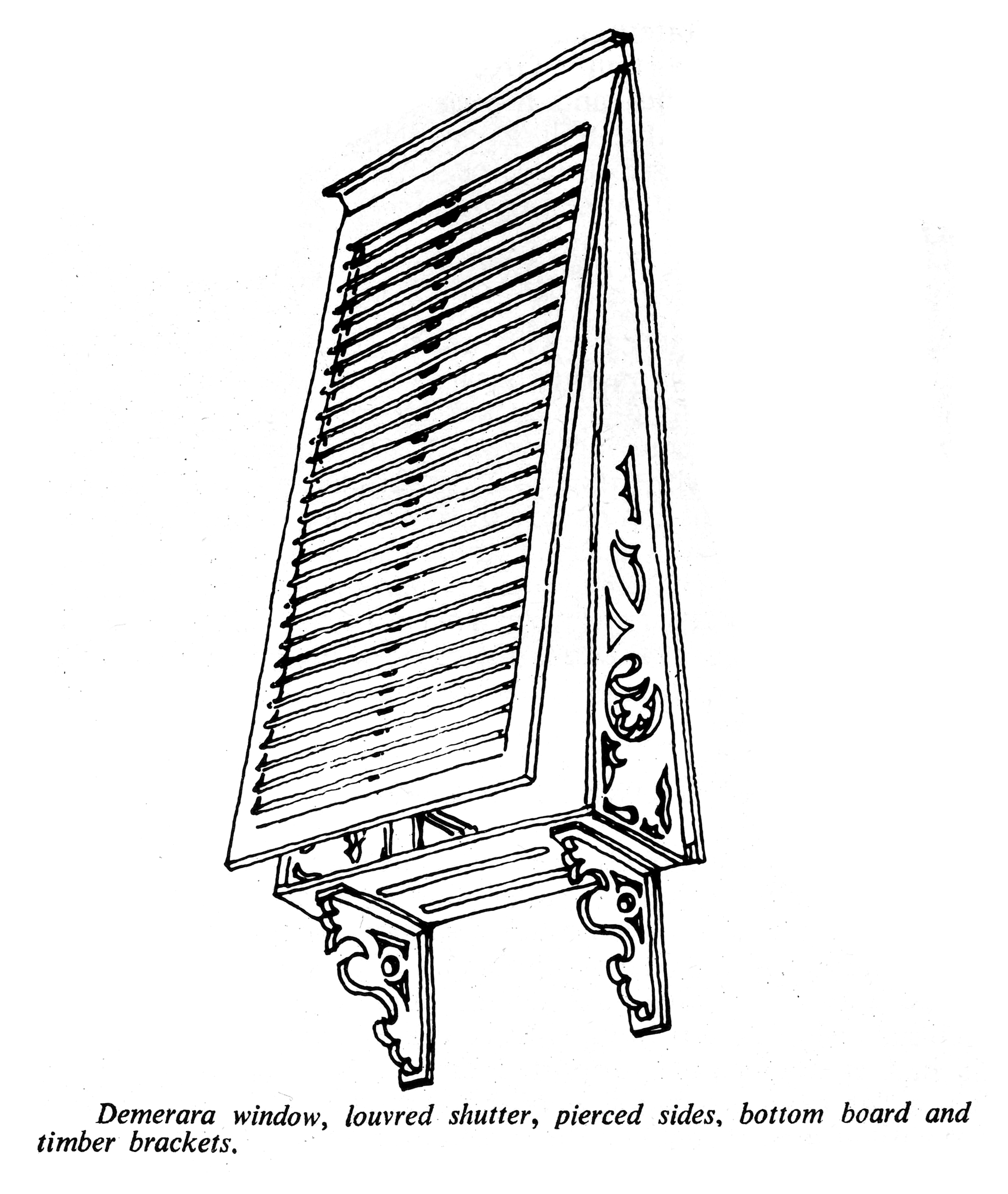
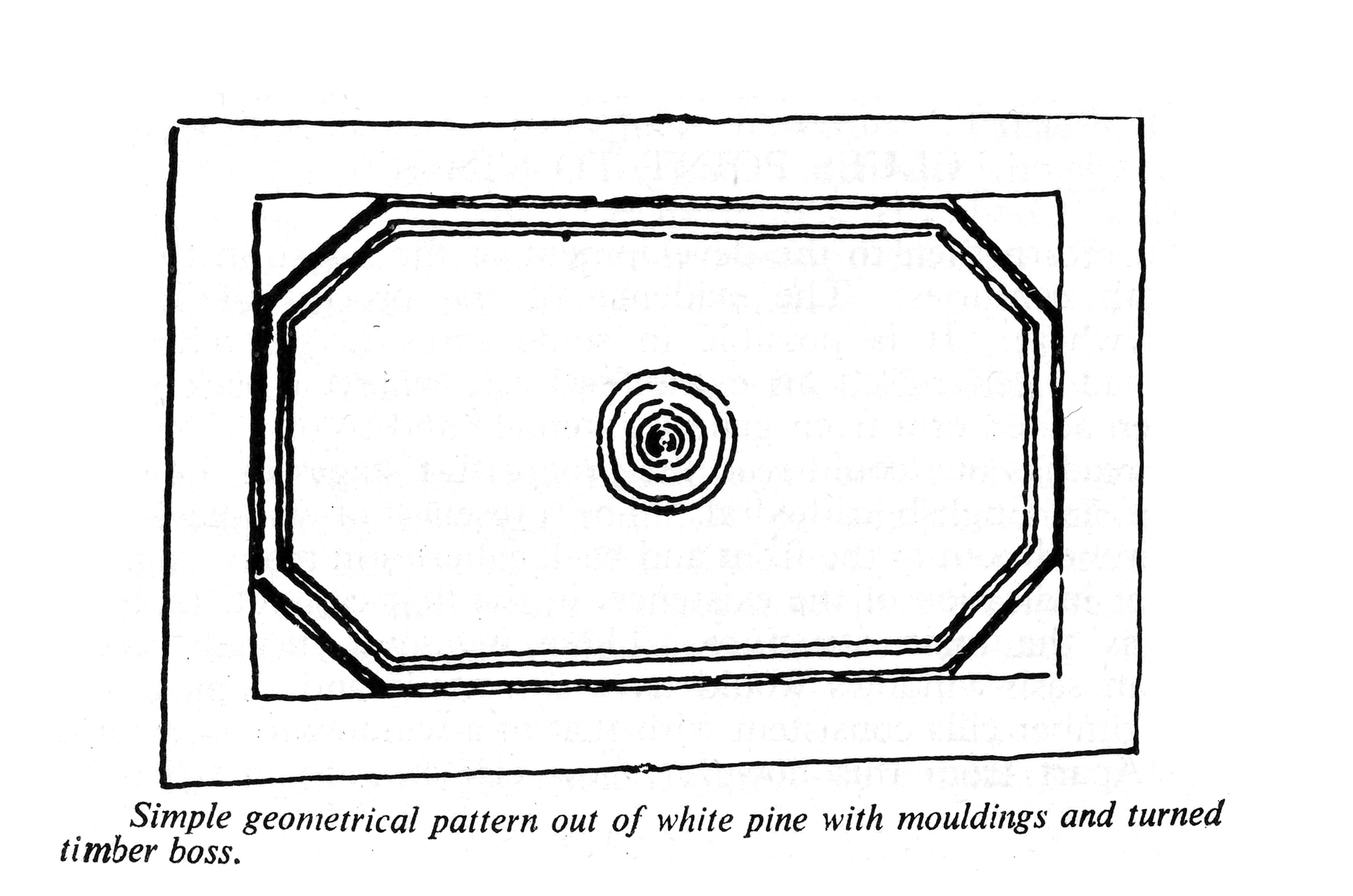
One of the most interesting contributions Westmaas provides us is the evolution of the typical Guyanese home and what influences led to its design in the 1970s. In the first image you can see the series of sketches Westmaas presents to show how the homes started as one room structures eventually expanding and growing as families did. Westmaas also provides us two great sketches of iconic elements of some of the British colonial architecture that makes up most of the government architecture in Guyana.
Photographs
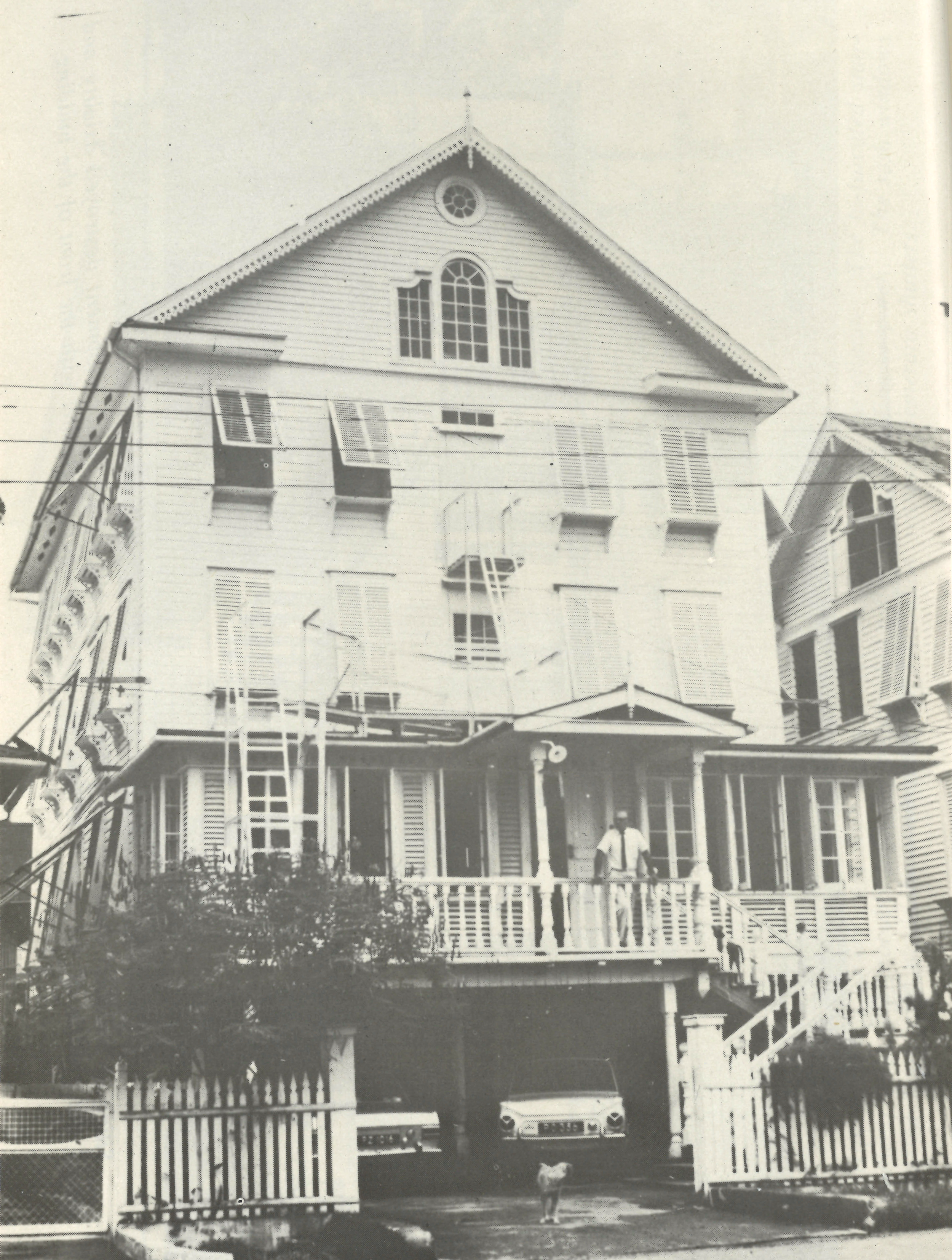

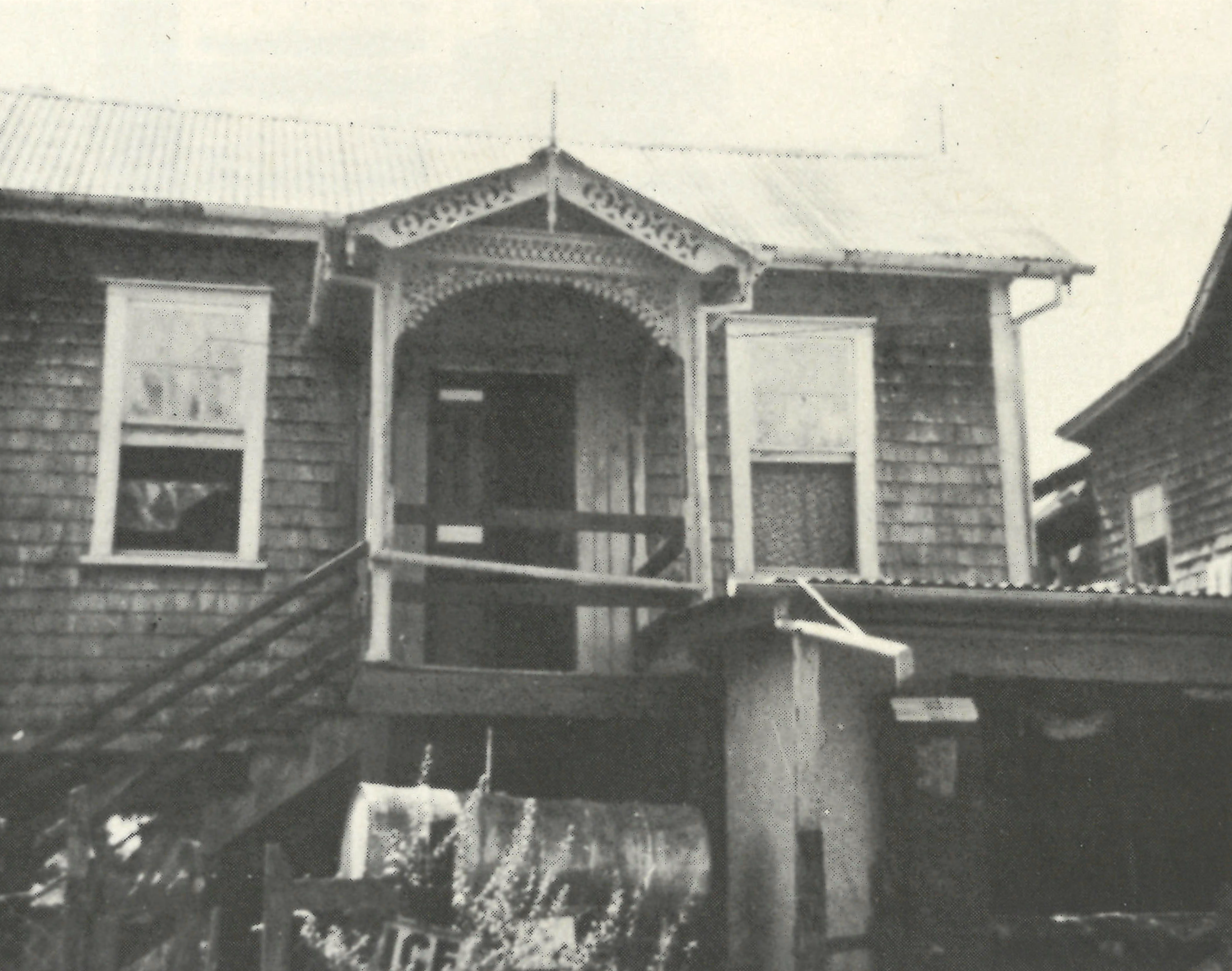
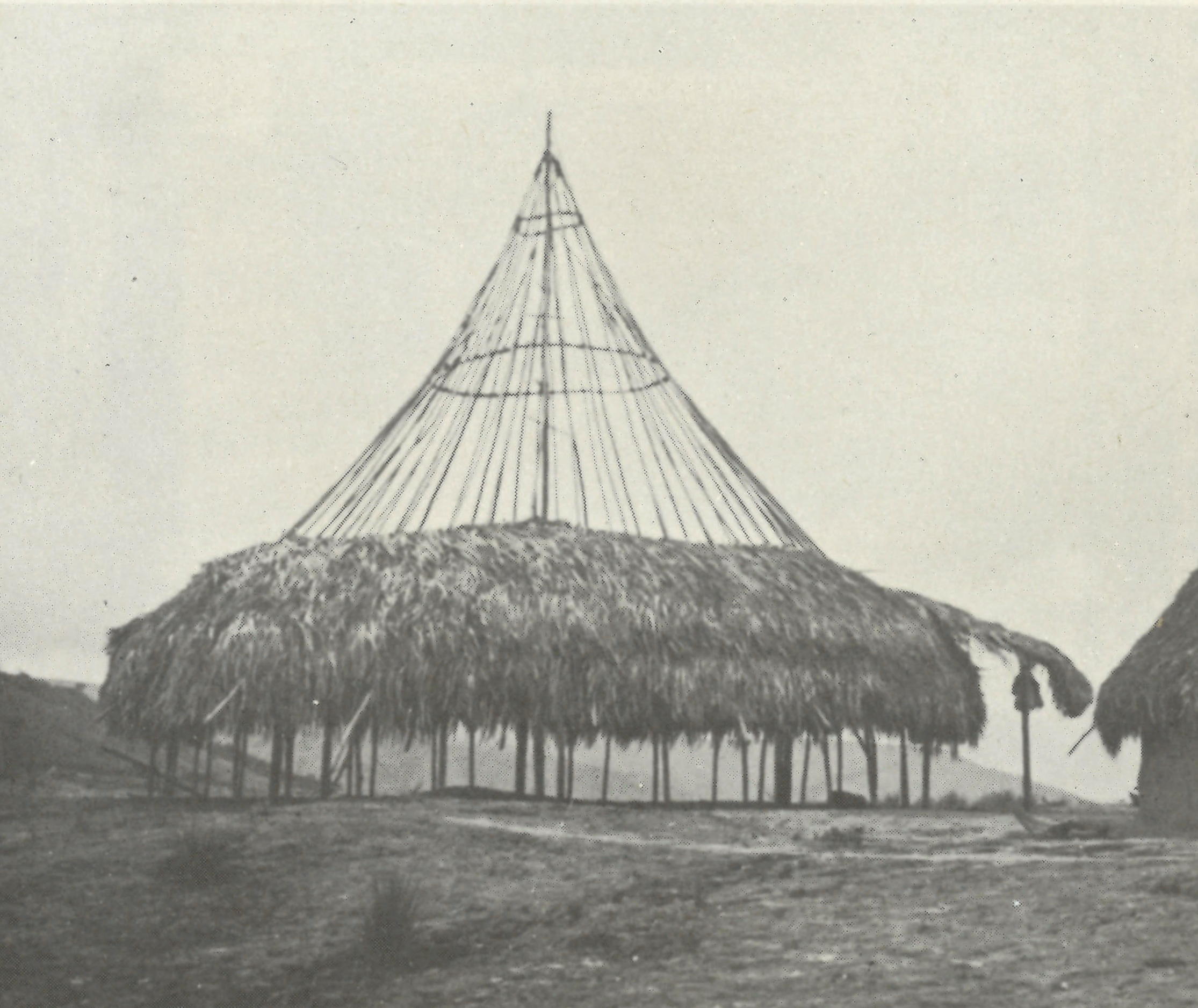
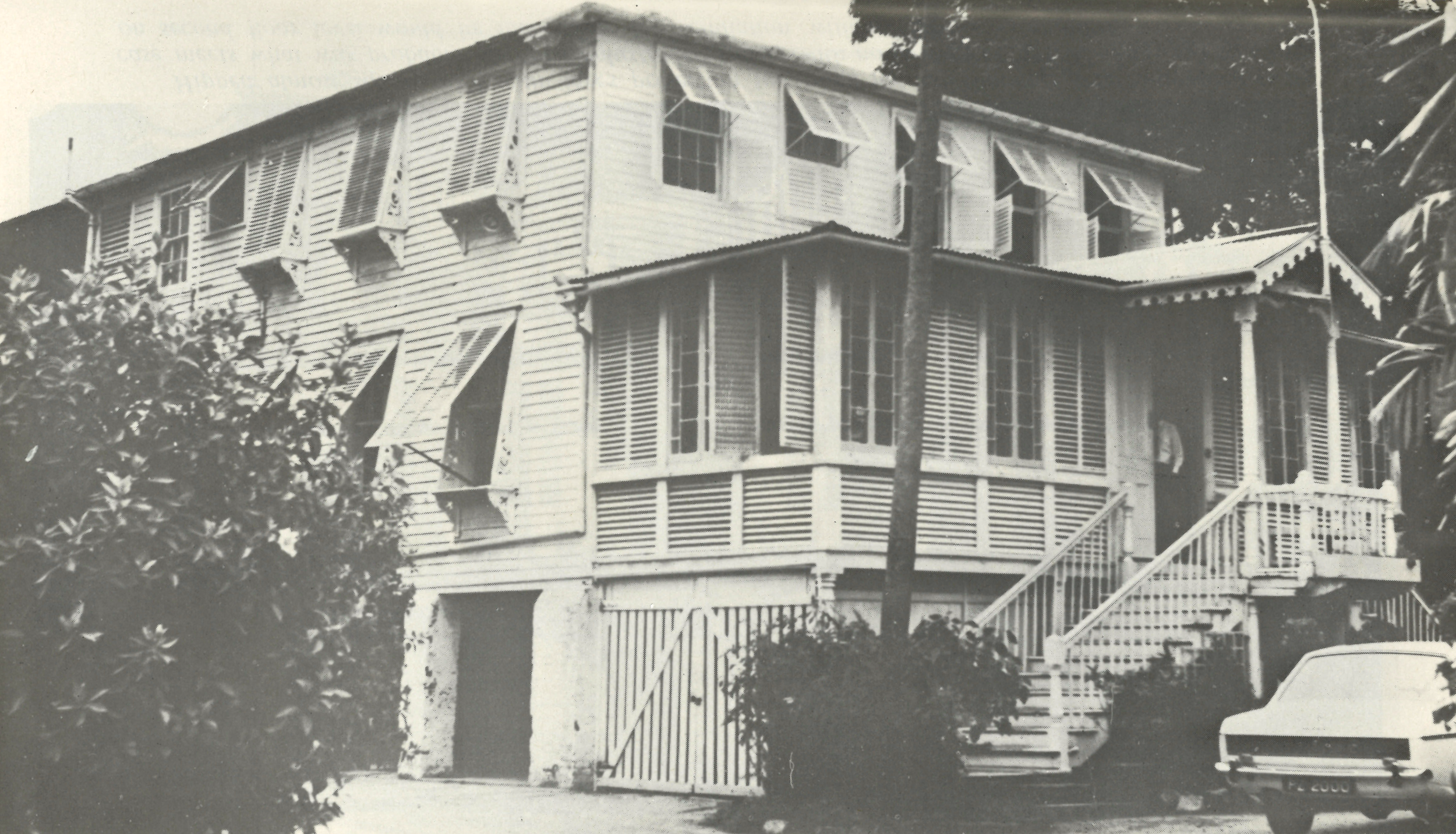
On top of the drawings provided Westmaas and the Ministry of Information also provided us with some incredible photographs of architecture in Guyana ranging from homes in the colonial style and even an example of an Amerindian benab under construction. "In those savannahs the Amerindians today build with wattle and daub or adobe and with troolie palm roofs. Built with material from his immediate surrounds these sometimes well-conceived, simple structures, though not architecture, are the Amerindian’s answer to his environment and his needs. His buildings, his skills and techniques should not be ignored as they may prove invaluable in our first phase of conscious pioneering development." (Building Under our Sun, 155) Regarding the colonial architecture Westmaas not only traces the origins but reminds us that "…the discipline of classical architecture on its way to the Caribbean went through a middle passage and suffered a sea change. We can be sure that ideas came from many sources and were copied and re-copied many times over losing their original significance, becoming mere decoration or gaining some new meaning. The Dutch, French and English were here as colonizers; the Africans, Portuguese. Chinese and East Indians were brought as slaves or agricultural laborers. Most of them have left some mark on the architecture of the country, some appear to have left little or none." (138-139)
Contemporary Architectural Trajectories
"Continuity in our architectural development has been broken not only in the timber construction craft, new materials—plywood, hardboard, imitation veneers in plastic laminates, glues and tubular steel—have all helped to make the once skilled joiner a rarity in our society." (Building Under our Sun, 156) Not only did Guyanese architecture suffer a historic middle passage, but is in the midst of another as new materials are entering the construction market. While Westmaas made this statement 56 years ago it is only more true today. "Again, the faceless buildings of the international style are creeping up on us. Many people are enamoured of the clean lines and efficient appearance of these buildings with their blank walls, brise soleil and curtain walls of glass and would like to imitate them. But once more it should be remembered that that style evolved in the temperate zone along with central heating and air conditioning." (157-158) Another great point made by Westmaas is how while we are rapidly incorporating these new building techniques and technologies importing goods and materials we must remember that not everything you can buy is designed specifically for you and the more construction becomes a globalized industry the faster unique building practices like those found in Guyana will be erased. "In many fields we are facing this inadequacy in design for our specified needs. From ashtrays to automobiles, from telephone booths to buildings we must think things out for ourselves. Ours has been described as a derivative culture—like an old lean-to-shed taking support from, and at the same time propping up, an older body-house. Let us now dismantle that old structure and using what material is good along with fresh sound scantlings erect a new building under our sun and on our piece of earth—the only two things, after all, of which we can be sure." (Building Under our Sun, 158)
Have you read Building Under our Sun?
As Building Under our Sun was published in the now out of print book CO-OP Republic Guyana 1970 Stabroek News has graciously reprinted them and you can access the full text online in two parts on their website.
Building Under our Sun - Part I
Building Under our Sun - Part II
Table of Contents:
Building Under our Sun
Rory Westmaas,
Chief Architect of the Ministry of Works, Hydraulics and Supply