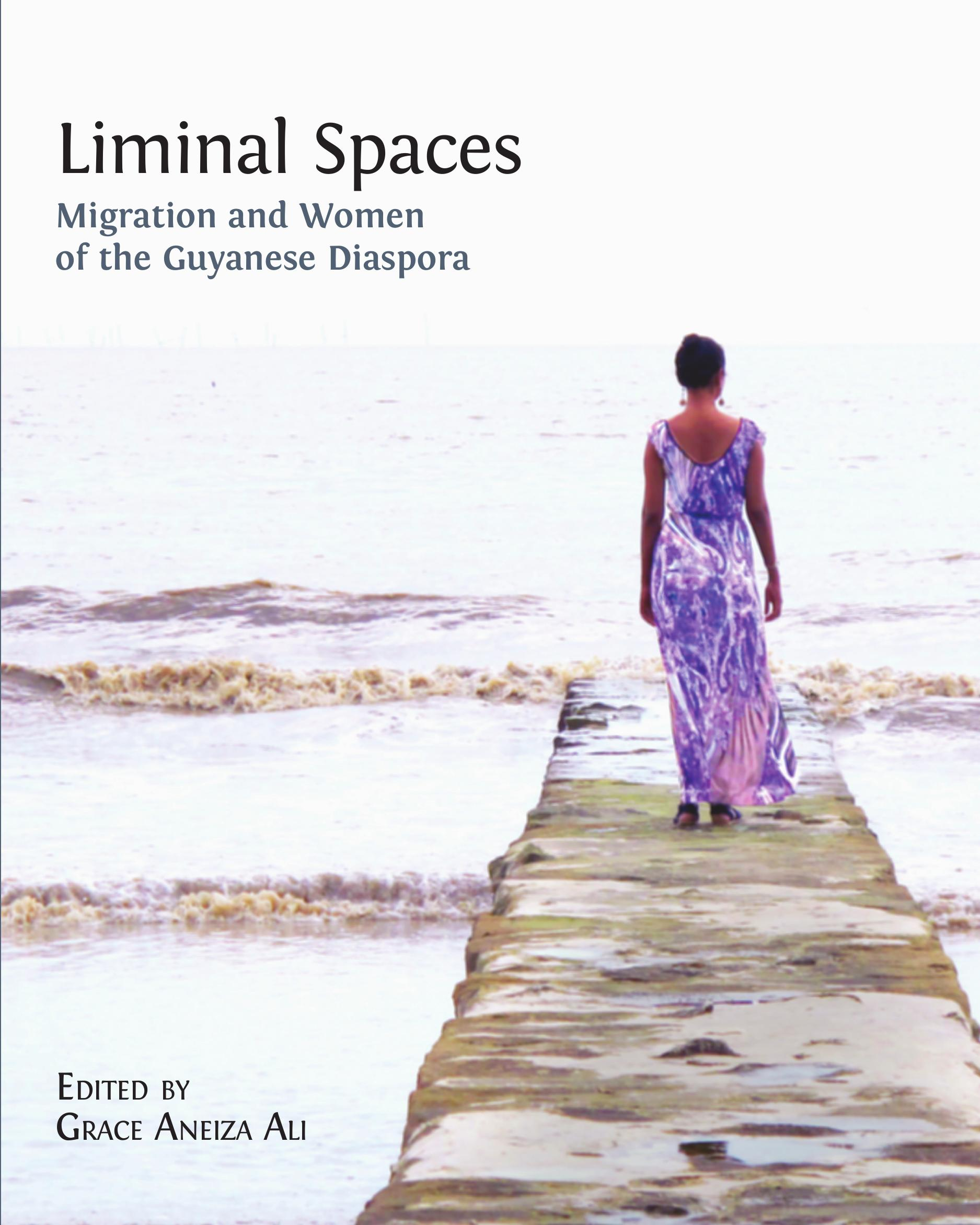
Photo Grace Aneiza Ali, The SeaWall by Candace Ali-Lindsay Georgetown, Guyana, 2014. Cover Design by Linda Florio and Anna Gatti.
Title: Liminal Spaces: Migration and Women of the Guyanese Diaspora
Published: Cambridge, UK, 2020 by Open Book Publishers
Authors: Grace Aneiza Ali, et al.
Editor: Grace Aneiza Ali
Transcription: N/A
Description: Liminal Spaces is a monumental contribution to the canon of Guyanese art and diasporic history. "Liminal Spaces is an intimate exploration into the migration narratives of fifteen women of Guyanese heritage. It spans diverse inter-generational perspectives - from those who leave Guyana, and those who are left - and seven seminal decades of Guyana's history - from 1950s to the present day - bringing the voices of women to the fore. This volume is conceived of as a visual exhibition on the page; a four-part journey navigating the contributors' essays and artworks, allowing the reader to trace the migration path of Guyanese women from their moment of departure, to their arrival on diasporic soils, to their reunion with Guyana. Eloquent and visually stunning, Liminal Spaces unpacks the global realities of migration, challenging and disrupting dominant narratives associated with Guyana, its colonial past, and its post-colonial present as a ‘disappearing nation’. Multimodal in approach, the volume combines memoir, creative non-fiction, poetry, photography, art and curatorial essays to collectively examine the mutable notion of ‘homeland’, and grapple with ideas of place and accountability." (Liminal Spaces, Back Cover) Each author and artist takes their unique perspective and proximity to Guyana to paint a diverse and wholistic portrait of how migration impacts those who are a part of the Guyanese diaspora. While this book provides an incredible wealth of personal history for readers to find solidarity in, the questions this text poses are equally as valuable as they are not only the questions these authors and artists present answers too, but the questions the Guyanese diaspora as whole will likely be asking for generations to come.
Contributors
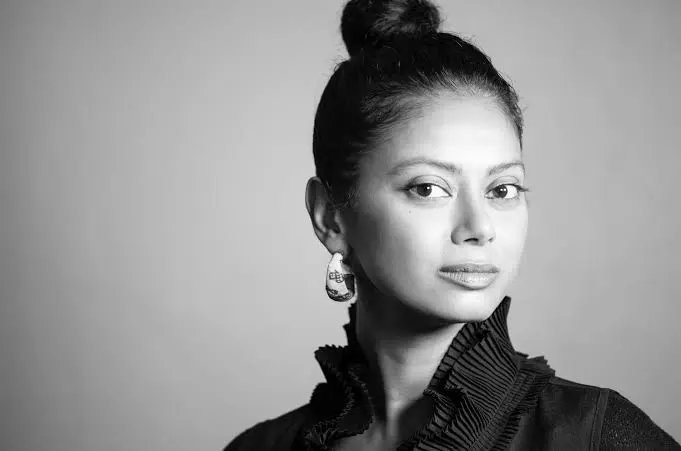
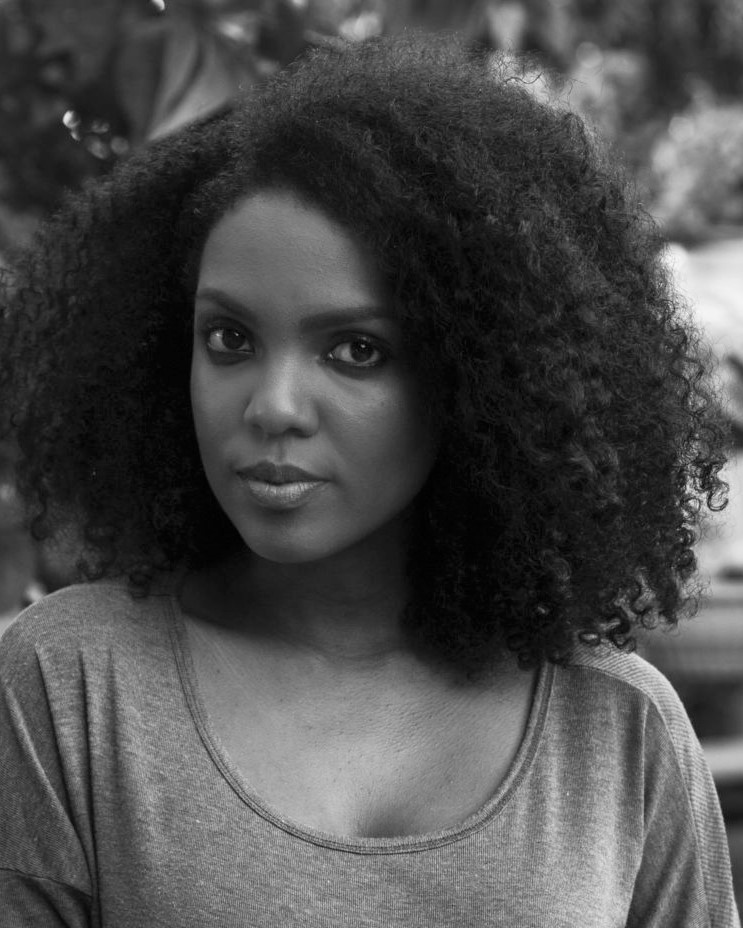
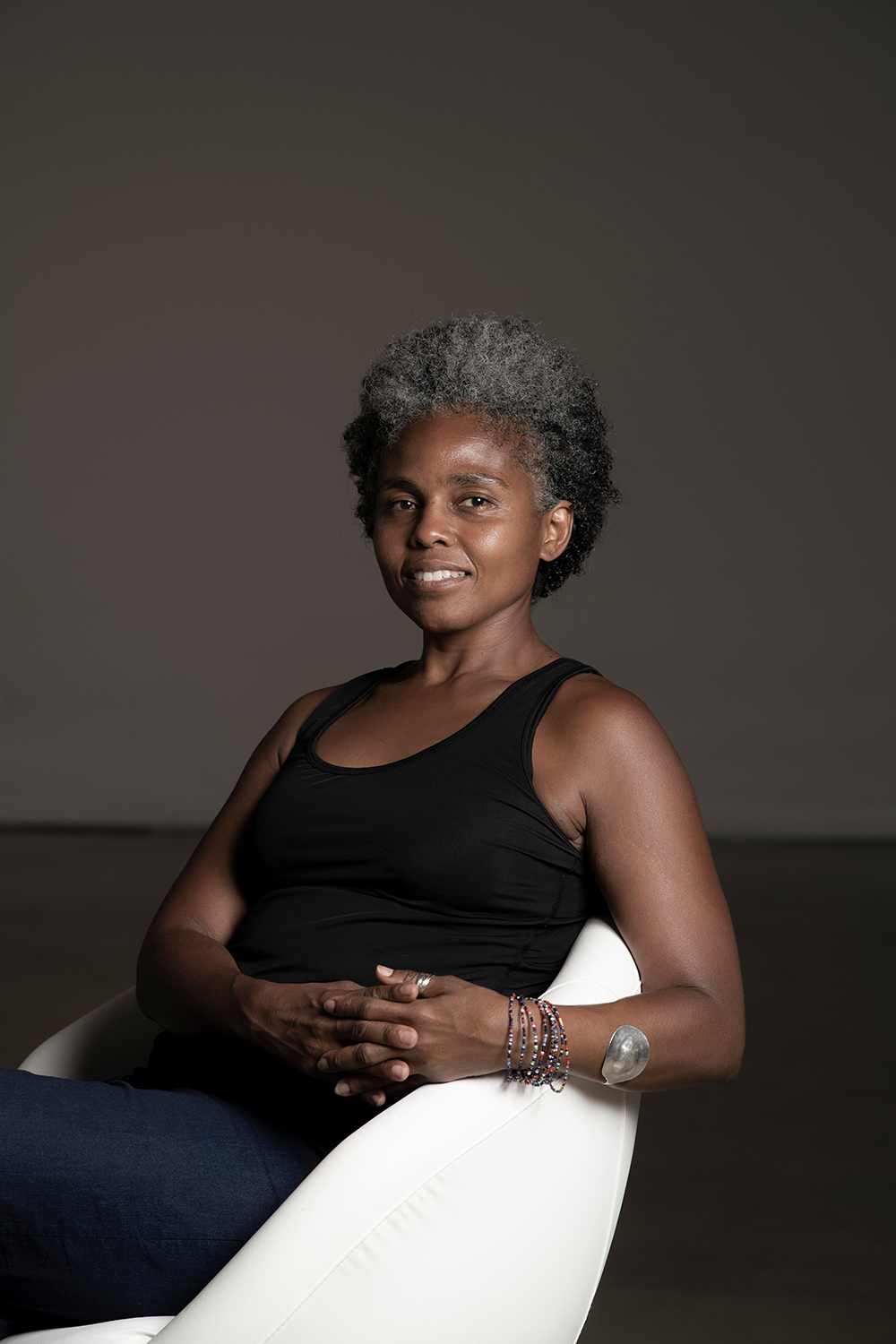
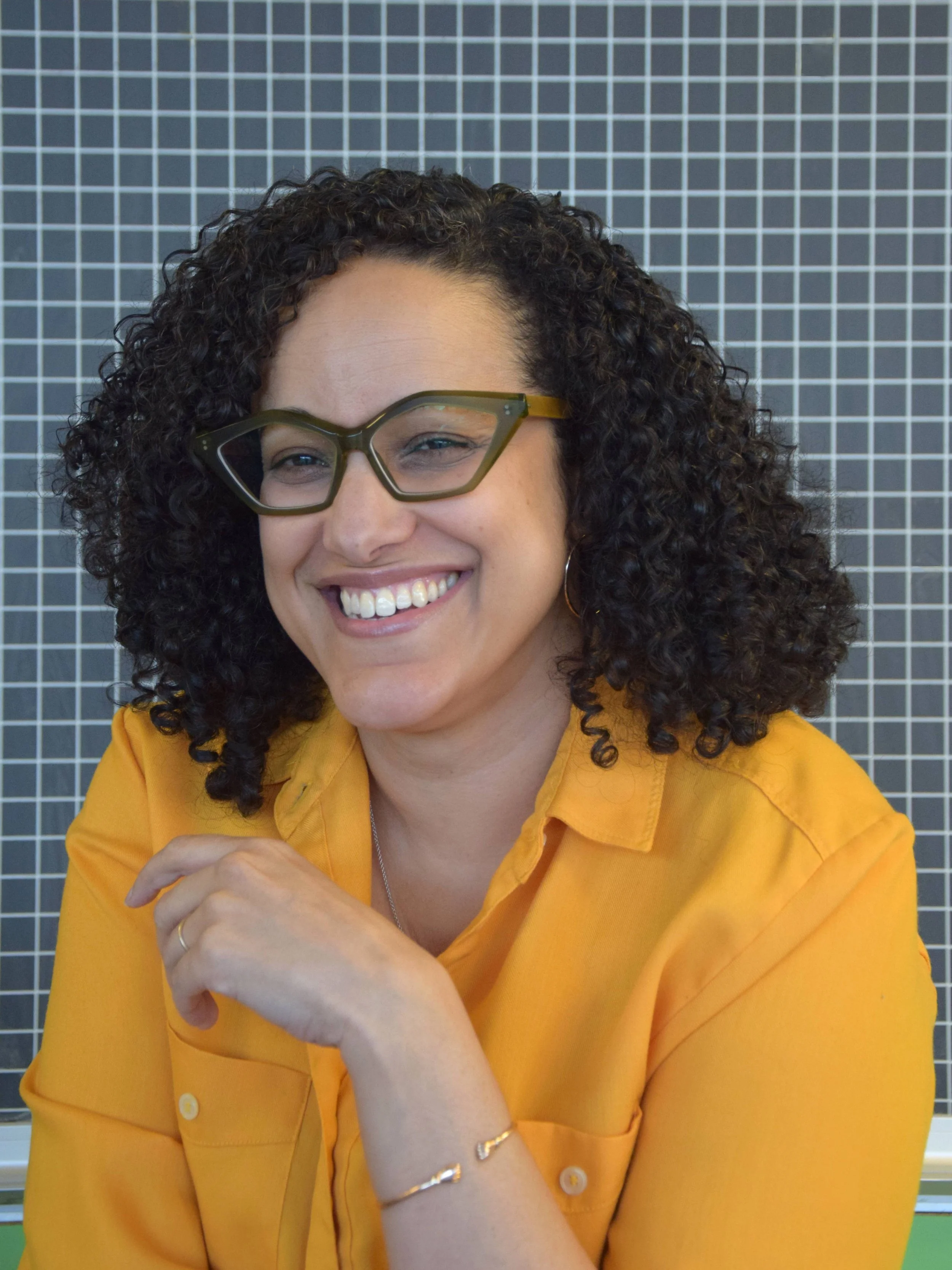
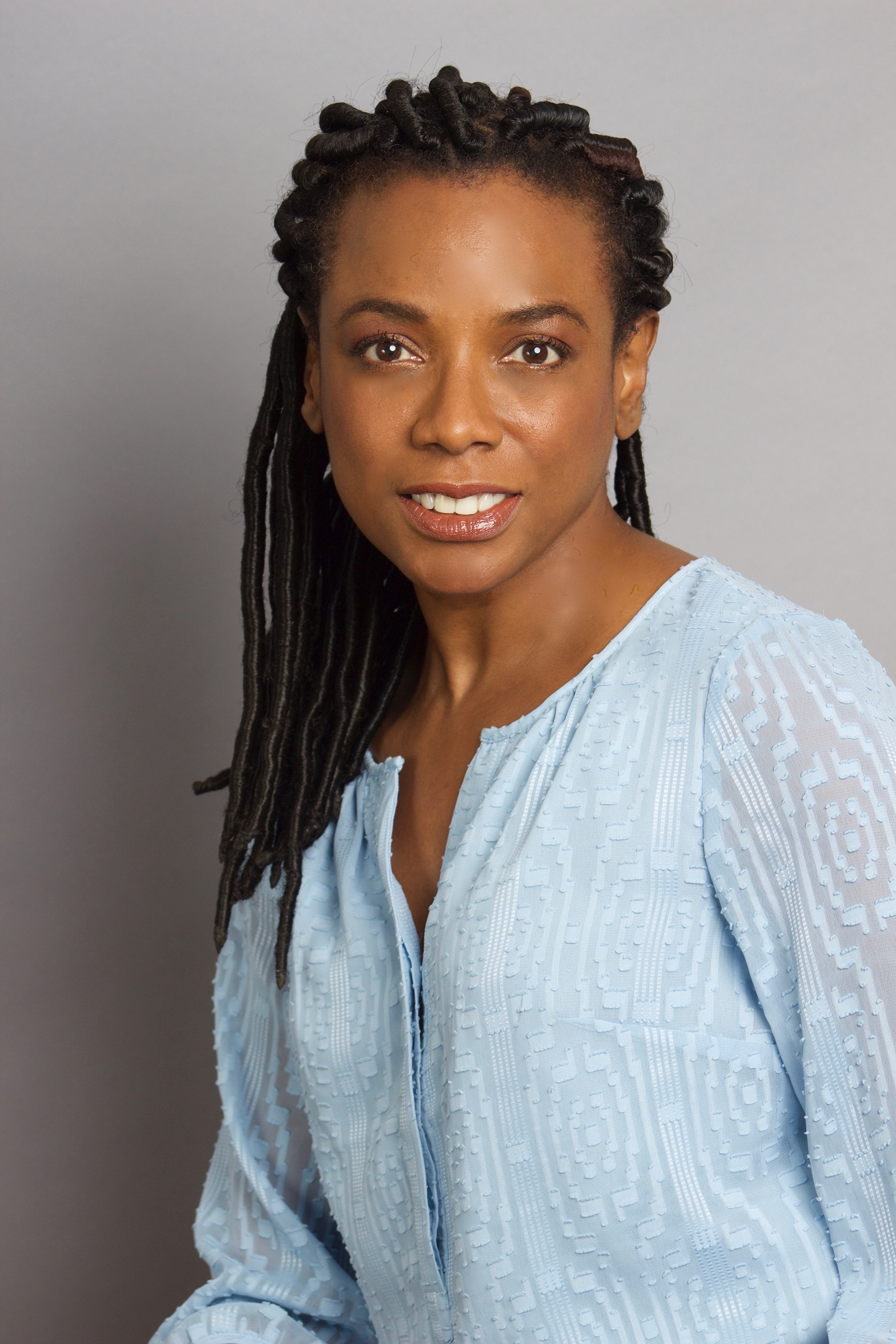
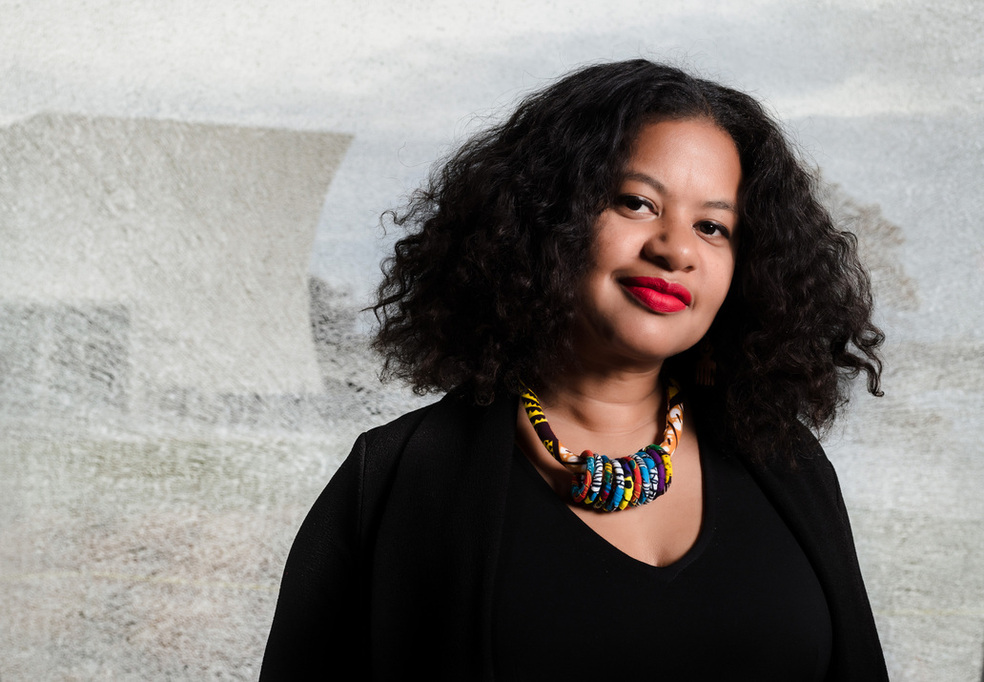
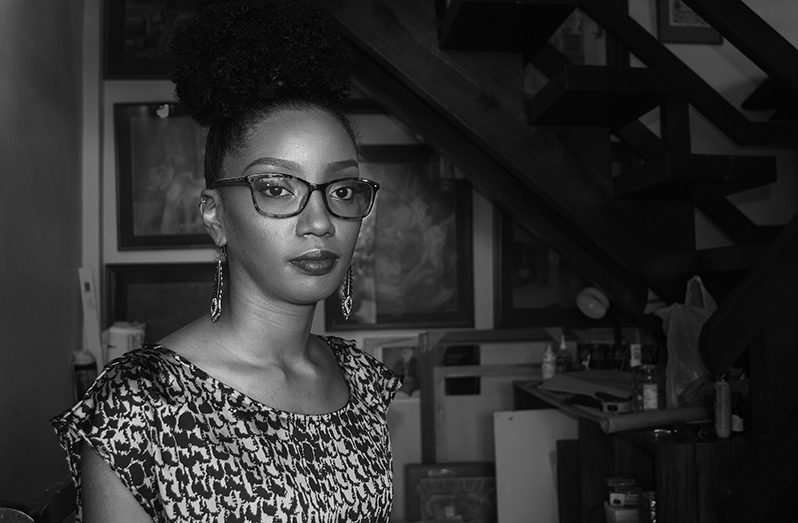
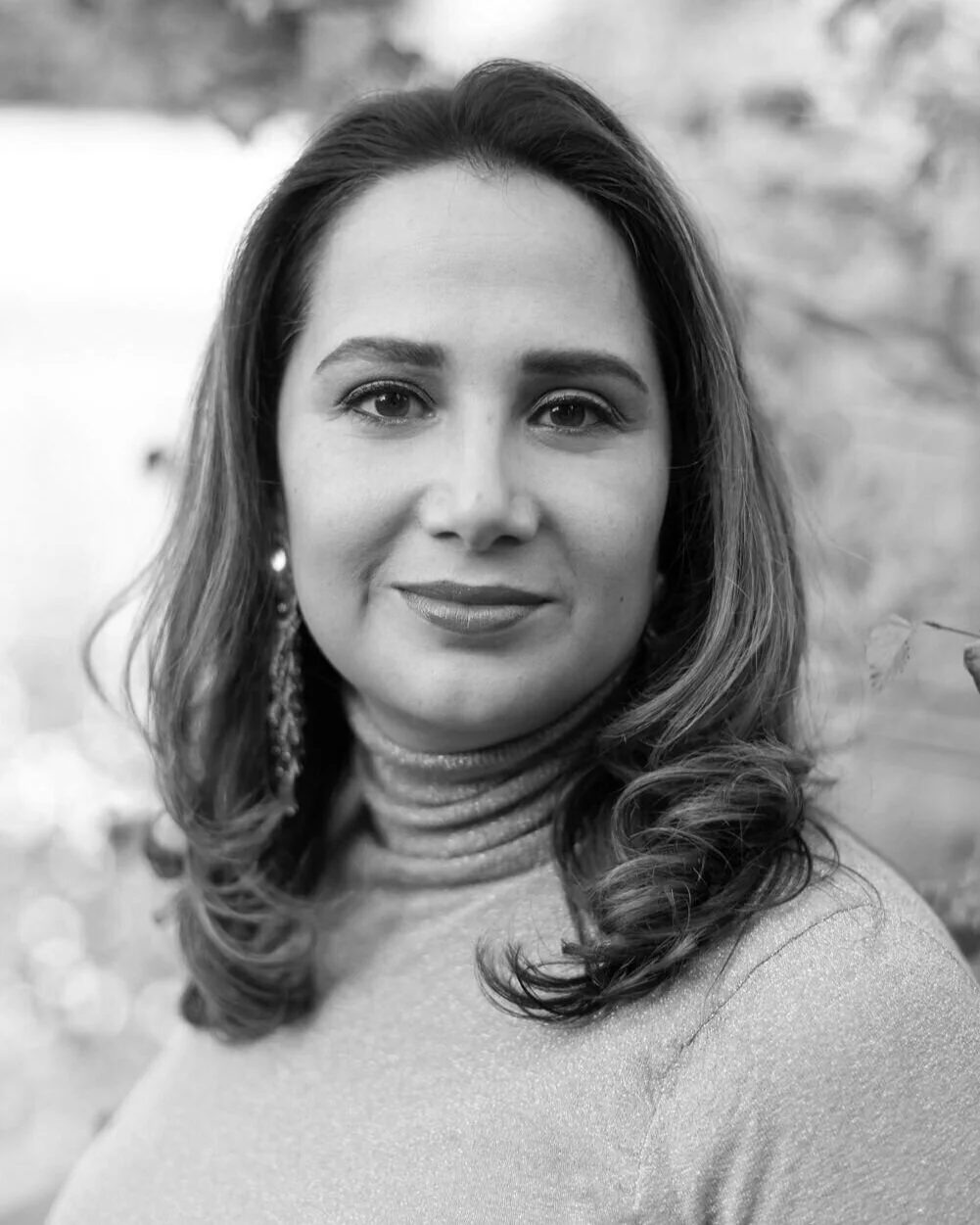
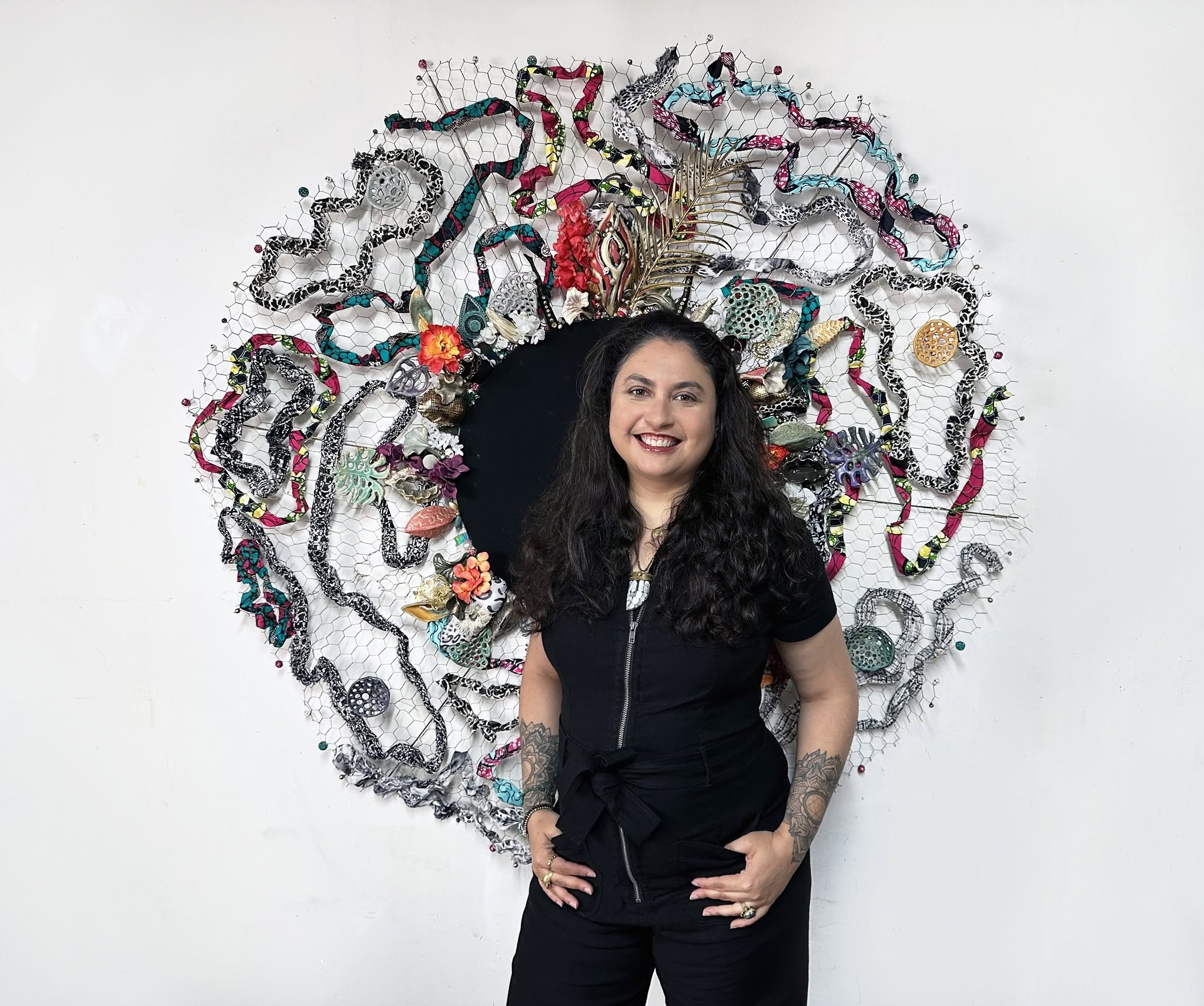
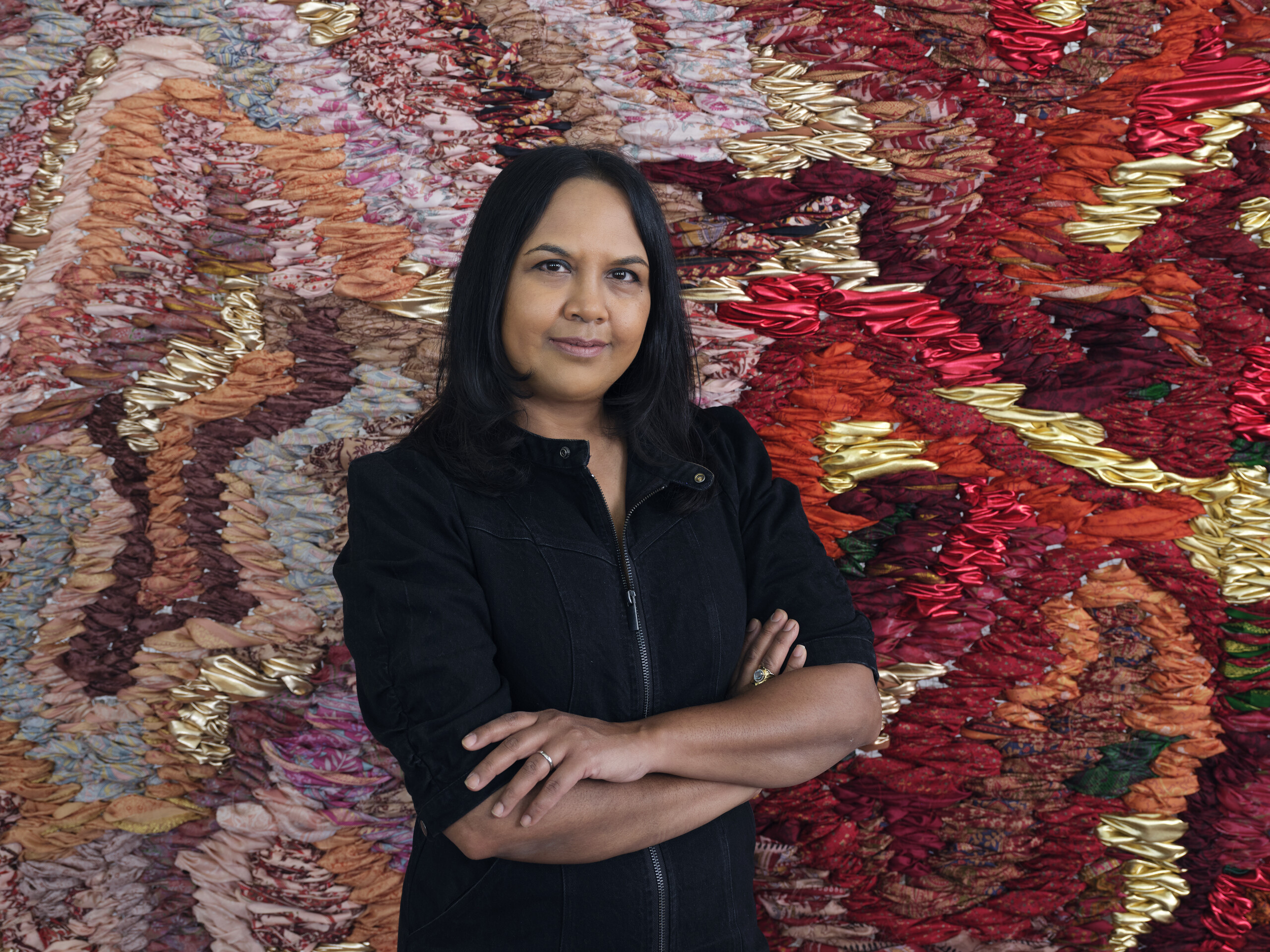
The Little Guyana Archive is extremely grateful for all the contributors to Liminal Spaces for their beautiful, insightful, and heartfelt explorations of Guyanese migration. You can read more about each of these incredible authors and artists here.
Mass Migrations, Erasure, and (Dis)/[C]onnection
"I grew up knowing nothing about the history or culture of my father. Courtesy of the British Empire, I am the by-product of two mass migrations... ...inadvertently rendered a cultural orphan. I have always felt that I was left unarmed in a society that did not accept me. As an undergraduate, I discovered a small section in the university library on Caribbean literature. It included novels and works of poetry by Indian-Caribbean writers. From these books I learned that I was part of a community and by reading as much as I could, I slowly absorbed the story of indenture in the Caribbean and began a journey that continues to this day." (Liminal Spaces, 180) This experience, especially for those who are a part of the Guyanese diaspora born in New York, Toronto, or London, is common for those born into the now materialized future that their immigrant parents imagined before they were conceived. This leads to a confusing condition; am I Guyanese, am I American or Canadian or British, am I all of the above? None of the above?
This lack of a concrete self and the ‘privilege’ of being born into this materialized future can lead to large amounts of self doubt and sense of un-belonging. A feeling Ali expresses vividly while describing her travels and research as a Fulbright Fellow in Hyderabad. "Months into my research, I was feeling more and more lost, overwhelmed by the complexities and contradictions in the notion of equality for women and girls in a country that everyday continued to baffle me. And I was riddled with self-doubt, confronted with insecurities. Why did I think I was qualified to take on this kind of work? How could I, with all my privilege, possibly understand the lives of the women here?" (Liminal Spaces, 75) This question is one that not only Ali is asking but one this very archive struggles to grapple with everyday. Is this ‘formal’ archive already eroding the authenticity of lived Guyanese experiences? Is the archive including the right stories and voices? Is the archive a doomed attempt to create and find Guyanese history and culture? The answers to these questions are for the Guyanese diaspora to decide, but know the intent of the archive has always been to fill the void left by the archives that fail us with something that is, at the very least, better than nothing.
History or OurStorys?
One of the biggest problems of traditional capital ‘H’ history is its belief in the single story in which only one perspective is true. "The single story creates stereotypes, and the problem with stereotypes is not that they are untrue, but that they are incomplete. They make one story become the only story [...] The consequence of the single story is this: It robs people of dignity. It makes our recognition of our equal humanity difficult. It emphasizes how we are different rather than how we are similar." (Liminal Spaces, 11) One of the many dangers facing the creation of this archive is that it begins to believe it is the single omnipotent representation of Guyanese history. This is a danger that has been central to the formation of the archive and is actively being subverted by allowing any and everyone to contribute to its creation and making public not only findings but the methodologies and sources that enabled those findings creation. The archive’s hope is that the true history of Guyana will emerge in the dialogue and contradicting takes surrounding the content that the archive shares. This archive is more of a prompt than a vessel of a singular history.
When the Archives Fail Us,
Let Imagination Save Us
"What happens when the archives fail us? Where do we turn when their limitations can only take us so far in excavating the lives of these women? When confronted with the absences in the archives, the women writers and artists in Liminal Spaces must rely on their creative imaginations to tell Guyanese women's stories." (Liminal Spaces, 8) This question and solution presented by Ali in the introduction of Liminal Spaces is a central question of this text that receives a different answer from each of the fifteen contributors. Each answer is informed by each contributors unique skillset all tapping on the common thread of the Guyanese diaspora’s history and culture. Ranging from poems, photographs, literature, archival investigations, and works of art this varied assortment poetically reflects the varied answers and lenses each contributor employs.
"The word 'liminal,' from the Latin word limens, means 'threshold'-a place of transition, waiting, and unknowing. It is to be caught between worlds-one known and one to come." (Liminal Spaces, 4) It is in this threshold and space of unknowing that many of these authors and artists find the space in which they fill the void left by incomplete and bigoted archival practices that ignored Guyanese history. "...inspired by a passage she read in Columbian-American Patricia Engel's memoir It's Not Love, It's Just Paris, in which the author's father says: 'All immigrants are artists because they create a life, a future, from nothing but a dream. The immigrant's life is art in its purest form.'" (Liminal Spaces, 4) It is in this art that we can begin to subvert the historical narrative that ignored and erased much of our history and culture.
Revising the Colonial Narrative
One great contribution found in Liminal Spaces that begins to subvert the colonial histories that ignored so many Guyanese people is Revisionist by Suchitra Mattai. In this section she begins by writing “I have always felt ‘othered’ in so many ways. As a result, my life has been directed by a continual search for an imagined ‘home’” (Liminal Spaces, 135) It is this search that begins to re-write the colonial narrative.
Suchitra Mattai, Indentured II
2016, vintage chair, thread. Photo by Wes Magyar. © Suchitra Mattai. Courtesy of the artist. CC BY-NC-ND.
"In Indetured II, I reconsider the power of colonialists and re-examine historical consequences. The chair-with its European design, aristocratic refrence, and idyllic pastoral scenes in the fabric-is rendered useless. Its function is removed, and the historical power relations are subverted and thrown off-kilter. The thread that captures it references the domestic practices of my grandmothers, aunts, and mother." (Liminal Spaces, 137)
Representing Migration & Memory
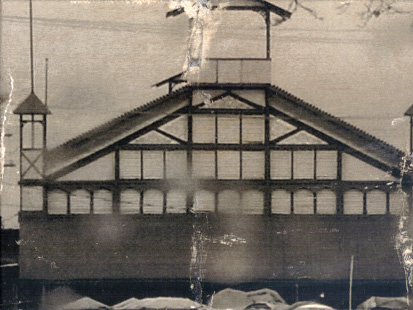
Sandra Brewster, Stabroek Market, from Place in Reflection
2016, gel medium image transfer on wood panel.
Another phenomenal contribution to Liminal Spaces is A Trace | Evidence of Time Past by Sandra Brewster. Even in this first photograph the sense of memory and time are visually palpable. There are the marks of time and movement that adorn this image of one of the most iconic markets in Georgetown. "The process of producing photographs using gel transfer is a time-consuming and laborious one. The pushing and pulling, rubbing and buffing assists in the removal of a covering layer of paper to reveal an image that now consists of creases, folds, and an emptiness where ink did not adhere. This process comprises a movement from one place to another place, an image that goes through a change. This change expresses a passage of time and offers a suggestion of untold stories and a deeper investigation into people and their experiences." (Liminal Spaces, 149) It is in these creases, this imperfection, these missing portions that the most accurate image of our history is represented. It is a reminder of the (sad?) reality that some (most?) things are lost forever to time.
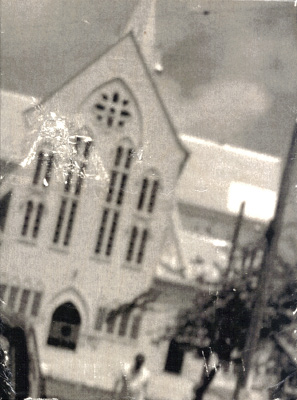
Sandra Brewster, Cathedral, from Place in Reflection
2016, gel medium image transfer on wood panel. © Sandra Brewster. Courtesy of the artist. CC BY-NC-ND.
While much of our history may be lost, Brewster reminds us that regardless of how fractured our history is, it is our history. Referring to Guyanese parents Brewster writes "And when they have children, it is us who carry on their Guyanese ways no matter how diluted or fractured they may be." (Liminal Spaces, 149) While many of our heads are “… full of fractured memories formed from the stories told to…” us we have the ability to fill those voids with imagined histories created from subconscious connections and links between these fractured memories just as so many of these contributors have done. (Liminal Spaces, 152) While this is true we must remember to not get caught in the fight for a singular story where we each try “…for the umpteenth time, to convince the other that their version of the memory is correct.” (Liminal Spaces, 153) We must embrace this (im)perfect history and imagine a future we each want to see materialize just as our parents, our parents parents, and each generation before them have done.
Home(land)?
The last topic from Liminal Spaces which we’ll unpack is land; homelands, foreign lands, land, and lands divider water. In Maya Mackrandilal’s Keeping Wake she questions the feelings of motion sickness. “I wonder if my body’s reaction to motion is the legacy of my foremothers. The trace of their fear (encoded in flesh) as they moved across the globe like cargo.” (Liminal Spaces, 191) Further more Guyanese motion is turbulent and bi-directional; hundreds of thousands were brought to Guyana and hundreds of thousands leave Guyana for imagined futures. This history of almost constant motion makes the idea of homeland very abstract. Is homeland the original country of your families origin in West Africa, India, or China? Is homeland Guyana? Is homeland the United States, Canada, or England? Is homeland somewhere? Nowhere? "They made vagrancy a crime to keep slaves on the estates. To keep them tied to the land; the land was servitude. Even when they were 'freed' they were still tied to the land and through the land to their masters. Is this why we are nomads? Why we never had a home?" (Liminal Spaces, 191) Once again we return to these unanswerable questions. Who knows, who cares, does an answer even matter? What would one do with this answer? Would the answer be cherished? Rejected? Ignored?
While the answer may not be important it is in asking these questions we can begin to find ourselves lost somewhere in the plethora of (at times contradictory) answers to the questions we ask of our history. "I once read this book called L'Enfant Noir about this guy, and he said, 'when we were young all the questions we should have asked we never asked' and I guess part of our problem was that we never were really that interested in our past, because we always felt that there were things that we really didn't want to know, and it was only the future that mattered, so we never really asked about these things..." (Liminal Spaces, 192) So if there is anything we extract from Liminal Spaces it should be a healthy curiosity and a hope for the next generation to ask better questions. Let us be our own curators of our lives and our history and embrace contributor Michelle Joan Wilkinson’s philosophy “…of caring for things that are or need to be remembered.” (Liminal Spaces, 166)
I am not haunted by the past, nor do I feel a need to hoard it. But there is comfort in knowing where I came from.
- Michelle Joan Wilkinson
(Liminal Spaces, 166)
I am not haunted by the past, nor do I feel a need to hoard it. But there is comfort in knowing where I came from. - Michelle Joan Wilkinson (Liminal Spaces, 166)
Table of Contents:
Introduction: Liminal Spaces
Grace Aneiza Ali
Surrogate Skin: Portrait of Mother (Land)
Keisha Scarville
Until I Hear from You
Erika DeFreitas
Electric Dreams
Natalie Hopkinson & Serena Hopkinson
PART II: THE ONES WHO LEAVE. . . THE ONES WHO ARE LEFT
The Geography of Separation
Grace Aneiza Ali
Transplantation
Dominique Hunter
Those Who Remain: Portraits of Amerindian Women
Khadija Benn
When They Left
Ingrid Griffith
So I Pick Up Me New-World-Self
Grace Nichols
Revisionist
Suchitra Mattai
Memories from Yonder
Christie Neptune
A Trace | Evidence of Time Past
Sandra Brewster
PART IV: RETURNS, REUNIONS, AND RITUALS
Concrete and Filigree
Michelle Joan Wilkinson
A Daughter’s Journey from Indenture to Windrush
Maria del Pilar Kaladeen
Keeping Wake
Maya Mackrandilal
Postface: A Brief History of Migration from Guyana
Grace Aneiza Ali